
Option 3

Fuel your mind
Eating well plays a powerful role in supporting mental wellness, not just physical health. Foods rich in nutrients like omega-3 fatty acids, whole grains, and leafy greens help fuel the brain and regulate mood. For example, oily fish, nuts, seeds, and vegetables such as spinach or broccoli provide essential vitamins and minerals that support brain function and reduce inflammation. Staying hydrated and maintaining balanced blood sugar levels by eating regular, nourishing meals can also help prevent mood swings, fatigue, and difficulty concentrating. At the same time, building a positive relationship with food matters just as much as what you eat. Taking time to enjoy meals, avoiding overly restrictive diets, and listening to your body’s hunger cues can improve both emotional and mental well being. Limiting highly processed foods, excess sugar, and caffeine may help reduce anxiety and improve sleep quality. Overall, a balanced, varied diet combined with mindful eating habits can contribute to a more stable mood and better mental resilience.
Grounding Techniques for Mental Health
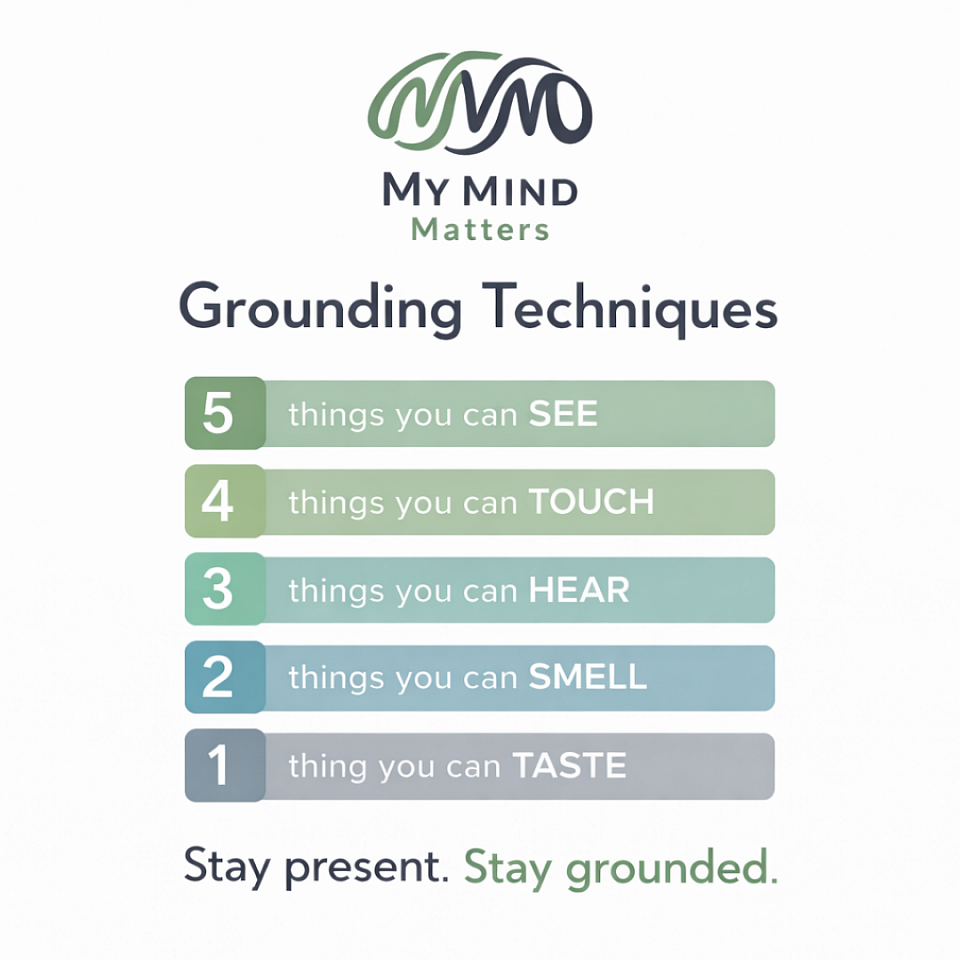
Grounding techniques are simple strategies that help bring your attention back to the present moment when your mind feels overwhelmed, anxious, or disconnected. One of the most effective methods is the “5-4-3-2-1” sensory exercise. This involves identifying five things you can see, four you can feel, three you can hear, two you can smell, and one you can taste. By actively engaging your senses, you interrupt spiraling thoughts and reconnect with your surroundings. This technique works well in moments of anxiety or panic because it gently shifts focus away from distressing thoughts to tangible, immediate experiences. Another helpful grounding approach is controlled breathing. Slow, deliberate breathing signals to your body that it is safe, helping reduce stress responses. A common method is inhaling deeply through your nose for four seconds, holding for four seconds, and exhaling slowly through your mouth for six seconds. Repeating this pattern for a few minutes can lower heart rate and create a sense of calm. Pairing breathing with a physical action, such as placing your hand on your chest or stomach, can enhance the feeling of stability and control. Physical grounding techniques can also be very effective, especially when emotions feel intense. Activities like pressing your feet firmly into the floor, holding onto a solid object, or even splashing cold water on your face can anchor you in the present. Movement-based grounding, such as stretching, walking, or gently tensing and releasing muscle groups, helps release built-up tension in the body. These techniques are particularly useful when you feel restless, disconnected, or overwhelmed by strong emotions. Lastly, mental grounding techniques involve redirecting your thoughts in a structured way. This might include naming categories (like listing types of animals or foods), counting backwards, or repeating a calming phrase to yourself. Journaling or describing your environment in detail can also help organize your thoughts and reduce mental clutter. Over time, practicing these techniques regularly can make them more effective, giving you a reliable set of tools to manage stress and maintain emotional balance.Grounding techniques are simple strategies that help bring your attention back to the present moment when your mind feels overwhelmed, anxious, or disconnected. One of the most effective methods is the “5-4-3-2-1” sensory exercise. This involves identifying five things you can see, four you can feel, three you can hear, two you can smell, and one you can taste. By actively engaging your senses, you interrupt spiraling thoughts and reconnect with your surroundings. This technique works well in moments of anxiety or panic because it gently shifts focus away from distressing thoughts to tangible, immediate experiences. Another helpful grounding approach is controlled breathing. Slow, deliberate breathing signals to your body that it is safe, helping reduce stress responses. A common method is inhaling deeply through your nose for four seconds, holding for four seconds, and exhaling slowly through your mouth for six seconds. Repeating this pattern for a few minutes can lower heart rate and create a sense of calm. Pairing breathing with a physical action, such as placing your hand on your chest or stomach, can enhance the feeling of stability and control. Physical grounding techniques can also be very effective, especially when emotions feel intense. Activities like pressing your feet firmly into the floor, holding onto a solid object, or even splashing cold water on your face can anchor you in the present. Movement-based grounding, such as stretching, walking, or gently tensing and releasing muscle groups, helps release built-up tension in the body. These techniques are particularly useful when you feel restless, disconnected, or overwhelmed by strong emotions. Lastly, mental grounding techniques involve redirecting your thoughts in a structured way. This might include naming categories (like listing types of animals or foods), counting backwards, or repeating a calming phrase to yourself. Journaling or describing your environment in detail can also help organize your thoughts and reduce mental clutter. Over time, practicing these techniques regularly can make them more effective, giving you a reliable set of tools to manage stress and maintain emotional balance.
The Benefits of a Digital Detox
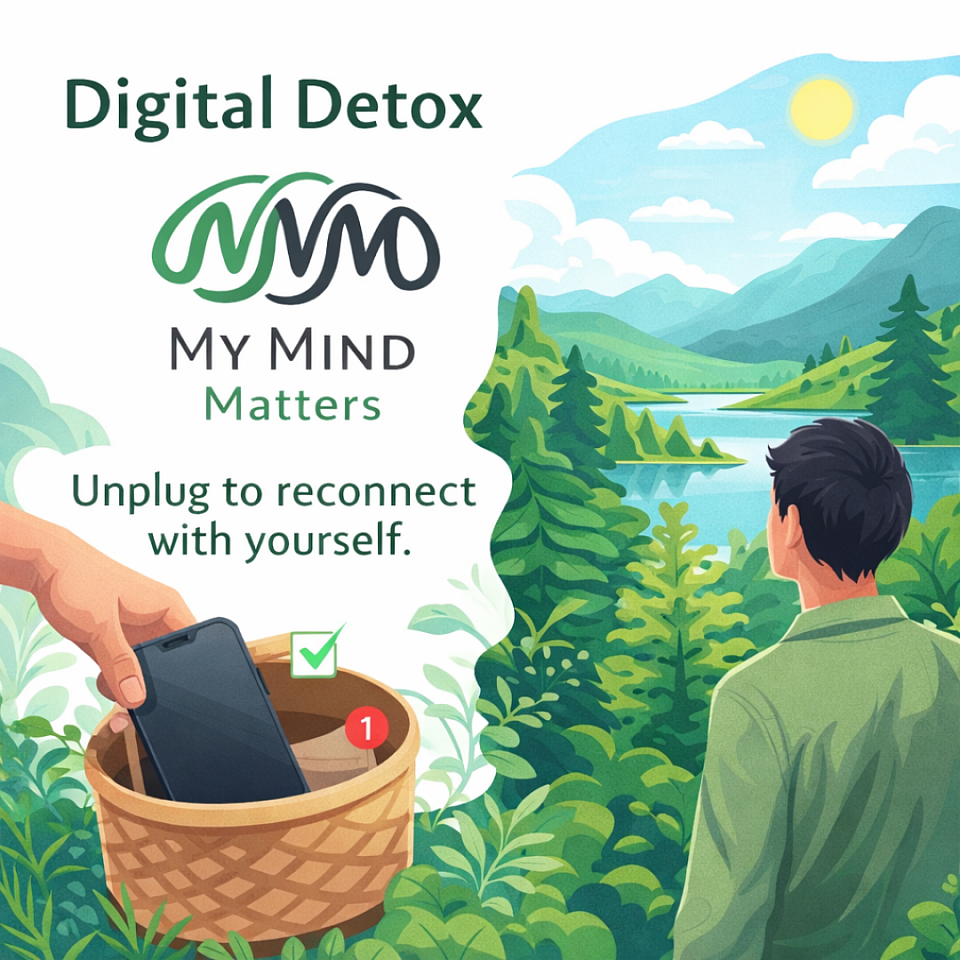
A digital detox is the practice of intentionally reducing or taking a break from screens such as smartphones, computers, and social media. In a world where constant notifications and online interactions can feel overwhelming, stepping away from digital devices allows the mind to rest and reset. Even short breaks from screens can help reduce mental fatigue and improve focus, making it easier to engage more fully with everyday life. One of the main benefits of a digital detox is improved mental well-being. Excessive screen time, especially on social media, can contribute to stress, anxiety, and poor sleep. By limiting digital use, people often find they have more time for meaningful activities such as reading, spending time outdoors, or connecting with others face-to-face. This shift can lead to better mood, increased productivity, and a stronger sense of balance. There are many simple ways to practice a digital detox. Setting specific “no-phone” times during the day, such as during meals or before bed, can create healthier habits. Turning off non-essential notifications or using apps that track and limit screen time can also help. Some people choose to take longer breaks, like a full day without devices, to fully disconnect and recharge.
Ultimately, a digital detox is about creating a healthier relationship with technology rather than avoiding it completely. Technology is an important part of modern life, but using it mindfully ensures it supports well-being instead of harming it. By making small, consistent changes, individuals can feel more present, focused, and in control of their time and attention.
Take care of your mind and body
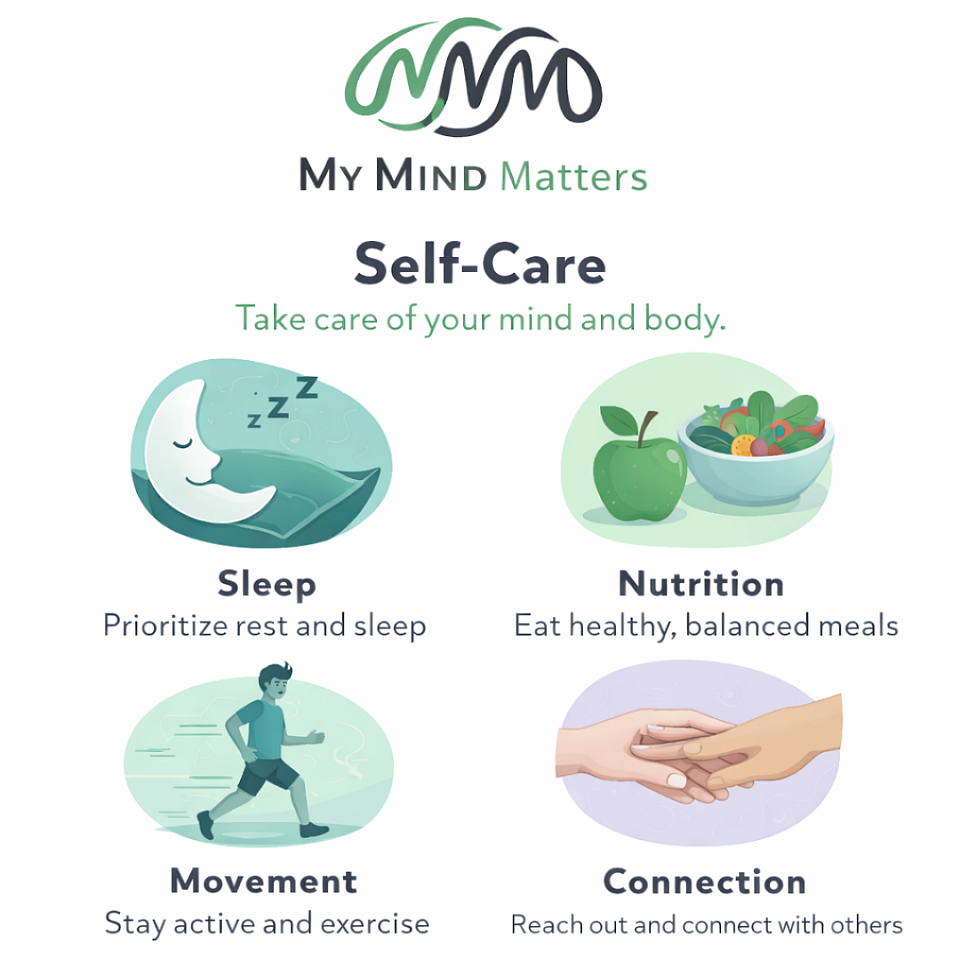
Taking care of your mind and body is essential for living a balanced and healthy life. When both mental and physical well-being are supported, it becomes easier to handle daily challenges, maintain energy, and feel more positive. Simple habits, practiced consistently, can make a significant difference in how you feel both inside and out. One important aspect of self-care is maintaining a healthy lifestyle. Eating nutritious foods, staying hydrated, and getting regular exercise all contribute to better physical health. Activities like walking, stretching, or light workouts not only strengthen the body but also release chemicals in the brain that improve mood and reduce stress. Caring for your mental health is just as important as physical health. Taking time to relax, practicing mindfulness, or using grounding techniques can help manage stress and anxiety. Setting boundaries, getting enough sleep, and allowing yourself time to rest are key parts of maintaining emotional balance. Social connections also play a big role in overall well-being. Spending time with family and friends, talking about your feelings, or simply sharing experiences can provide comfort and support. Positive relationships help reduce feelings of loneliness and create a sense of belonging. Finally, taking care of your mind and body means listening to your needs and making time for yourself. Whether it’s enjoying a hobby, spending time in nature, or simply taking a break, small moments of self-care can have a big impact. By prioritizing your well-being, you build a stronger foundation for a healthier and happier life.Taking care of your mind and body is essential for living a balanced and healthy life. When both mental and physical well-being are supported, it becomes easier to handle daily challenges, maintain energy, and feel more positive. Simple habits, practiced consistently, can make a significant difference in how you feel both inside and out. One important aspect of self-care is maintaining a healthy lifestyle. Eating nutritious foods, staying hydrated, and getting regular exercise all contribute to better physical health. Activities like walking, stretching, or light workouts not only strengthen the body but also release chemicals in the brain that improve mood and reduce stress. Caring for your mental health is just as important as physical health. Taking time to relax, practicing mindfulness, or using grounding techniques can help manage stress and anxiety. Setting boundaries, getting enough sleep, and allowing yourself time to rest are key parts of maintaining emotional balance. Social connections also play a big role in overall well-being. Spending time with family and friends, talking about your feelings, or simply sharing experiences can provide comfort and support. Positive relationships help reduce feelings of loneliness and create a sense of belonging. Finally, taking care of your mind and body means listening to your needs and making time for yourself. Whether it’s enjoying a hobby, spending time in nature, or simply taking a break, small moments of self-care can have a big impact. By prioritizing your well-being, you build a stronger foundation for a healthier and happier life.